MAKE AN APPOINTMENTS CALL NOW

Hearing that your child may need a root canal can be worrying. However, this treatment is not the same as the procedure many adults imagine. In children, the aim is often to remove infection, relieve discomfort, and preserve the natural tooth where appropriate. Keeping a tooth in place can support normal eating, speech, and the development of permanent teeth.

If your dentist recommends root canal treatment for your child in Melbourne, it simply means they have assessed that saving the tooth may be the most suitable option. Every child’s dental needs are different, so treatment recommendations are always based on an individual examination.

Why Saving Baby Teeth Is Important

Although baby teeth eventually fall out, they play an important role in your child’s oral development. They help children:

  • Chew food comfortably
  • Develop clear speech
  • Maintain space for permanent teeth
  • Support healthy jaw development

If a baby tooth is lost too early due to decay or injury, nearby teeth may shift into the empty space, which can sometimes affect how permanent teeth erupt.

Why Might a Child Need a Root Canal?

A dentist may recommend pulp therapy or a root canal when the soft tissue inside the tooth (the pulp) becomes inflamed or infected. Common causes include:

  • Deep tooth decay: Cavities that extend into the centre of the tooth.
  • Dental injuries: Falls, sports injuries, or accidents that damage the tooth.
  • Cracks or fractures: Even small cracks can allow bacteria to reach the pulp.

Early assessment often provides more treatment options and may help prevent the problem from worsening.

Signs Parents Should Watch For

Children do not always explain dental pain clearly, so it’s helpful to look for changes in their behaviour as well as their teeth.

SymptomWhat It May Indicate
Ongoing toothacheIrritation or infection inside the tooth
Pain when eatingTooth damage or deep decay
Swollen gumsPossible infection
Tooth becoming darkerInternal injury to the tooth
Avoiding one side while chewingDental discomfort

If your child develops facial swelling, severe pain, or a fever alongside a toothache, arrange a dental assessment as soon as possible.

Types of Root Canal Treatment for Children

The type of treatment depends on whether the affected tooth is a baby tooth or a permanent tooth, as well as how far the infection has progressed.

Pulpotomy

A pulpotomy removes only the infected pulp from the crown of the tooth while keeping the healthy tissue inside the roots. The tooth is then restored to help protect it.

Pulpectomy

If infection has spread throughout the pulp, a pulpectomy may be recommended. The infected tissue is removed, the canals are cleaned, and the tooth is filled with a suitable material before being restored.

Permanent Teeth

When a child’s permanent tooth is affected, treatment is generally similar to adult root canal therapy, with the goal of preserving the natural tooth whenever possible.

What Happens During the Procedure?

Many parents are surprised to learn that modern pediatric dental care places a strong focus on keeping children comfortable throughout treatment.

A typical appointment may include:

  1. A dental examination and X-rays.
  2. Local anaesthetic to numb the area.
  3. Removal of the infected pulp tissue.
  4. Cleaning and sealing the tooth.
  5. Placement of a filling or crown if required.

Your dentist will explain each step beforehand and discuss whether any additional comfort measures are appropriate for your child.

Recovery After Treatment

Most children return to their normal routine within a day. Mild tenderness for a short period can occur, particularly when chewing, but this usually settles as the tooth heals.

To support recovery:

  • Follow your dentist’s aftercare instructions.
  • Encourage good brushing and flossing habits.
  • Offer softer foods if your child feels more comfortable.
  • Attend any recommended review appointments.

Root Canal or Tooth Extraction?

In some situations, removing a tooth may be necessary. However, when appropriate, dentists often prefer preserving the natural tooth because it continues to support normal function and helps maintain space for developing permanent teeth.

Your dentist will discuss the benefits, limitations, and alternatives before recommending the most suitable treatment for your child. If you’re considering root canal treatment in Point Cook, don’t hesitate to ask questions so you fully understand the proposed care plan.

Helping Prevent Future Dental Problems

While not every dental problem can be prevented, healthy habits can reduce the risk of deep decay and infection.

  • Brush twice daily using fluoride toothpaste.
  • Encourage daily flossing once teeth begin touching.
  • Limit sugary snacks and drinks.
  • Schedule regular dental check-ups.
  • Consider a mouthguard for children who play contact sports.

Regular dental visits also allow problems to be identified early, when treatment may be simpler.

Conclusion

Protecting your child’s natural teeth can support healthy oral development, comfortable chewing, and proper spacing for permanent teeth. If your child is experiencing ongoing tooth pain or has suffered a dental injury, an assessment can help determine whether root canal treatment in Point Cook is an appropriate option based on their individual needs.

If you have concerns about your child’s dental health, the team at Supreme Dental Infinite can discuss your treatment options and answer any questions you may have. To arrange an appointment, call (03) 9395 8400 or email admin@supremedentalinfinite.com.au and receive personalised guidance for your child’s oral health.

FAQs

1. Can children really need root canal treatment?

Yes. If decay or an injury affects the pulp inside the tooth, a dentist may recommend root canal treatment in Point Cook to help preserve the tooth where appropriate.

2. Is a root canal painful for children?

Modern techniques, local anaesthetic, and child-friendly dental care are designed to keep children as comfortable as possible during treatment. Your dentist can discuss what to expect based on your child’s needs.

3. How long does the procedure usually take?

The appointment length varies depending on the condition of the tooth and the type of treatment required. Your dentist can provide a more accurate estimate after examining your child.

4. Is removing the tooth a better option?

Not always. When clinically appropriate, preserving the natural tooth may help maintain space for permanent teeth and support normal chewing and speech development.

5. How can parents reduce the risk of needing a root canal?

Regular dental check-ups, good oral hygiene, a balanced diet, and early treatment of cavities can all help lower the likelihood of extensive dental treatment, including root canal treatment in Melbourne.

Even though dentures have been used for many decades, the no-fuss simplicity of dental implants generally makes them a more effective option for the replacement of missing teeth. Because they are built to match your natural teeth as closely as possible, implants are more comfortable, reliable and functional than dentures but people are still having the dental implants vs dentures debate. Lets take a look at some of the reasons why are dental implants better than dentures.

(more…)

Gingivitis is an inflammation of the gums and is the early stages of gum disease. in fact, it’s one of the most common dental problems. So if you’ve noticed that your gums feel a little tender, are red in colour, or bleed when you brush, then you probably have gingivitis. That’s the bad news…. The good news is that at this stage, it’s not too serious, and if you read on, you’ll learn how to treat gingivitis at home.

Gingivitis causes

If you don’t brush and floss your teeth regularly and properly, then plaque builds up on your teeth and gum line. Plaque is a sticky, colourless substance containing a multitude of harmful bacteria, saliva, and food particles, which irritate and damage the gums causing swelling and bleeding. If left untreated, the condition will worsen and over time it may cause pain in your mouth, tooth loss, and other symptoms associated with advanced gum disease or periodontitis.

Symptoms of gingivitis what to look out for

The colour of your gums are often a good indicator of gingivitis.Healthy gums should be pale pink in colour, or darkish brown or mottled if you’ve got a darker complexion. In addition, they should fit tightly around your teeth and underlying bone. With this in mind, symptoms which show you may have gingivitis include:
  • Puffy or swollen gums
  • Dark red gums
  • Gums which feel tender
  • Receding gums
  • Constant bad breath
  • Bleeding gums when brushing or flossing
While most symptoms are painless, don’t ever be tempted to ignore them as they can be an indication of more serious problems. Periodontal gum disease can affect your whole body and recent studies have linked it with other health problems including diabetes and heart disease. Fortunately, once you’ve learnt how to get rid of gingivitis it really isn’t that difficult to keep it at bay.

Fighting Back How to treat gingivitis at home

There’s really only one way to treat and prevent gingivitis at home and that’s by getting rid of as much plaque as you possibly can on a daily basis. Provided you catch it early enough you can attack and eliminate plaque by adopting the following steps:

Gingivitis toothpaste

If you take a look on your supermarket shelves you’ll find plenty of toothpaste designed to fight plaque and tartar. These provide protection against germs and bacteria for as long as 12 hours, so provided you brush at least twice a day, your teeth and gums will enjoy 24-hour protection.

Brush your teeth more thoroughly

It’s important to brush your teeth for at least 2 minutes, twice a day. Try using a timer so you brush for the required length of time and if you find yourself getting bored, why not put in your earplugs and listen to some music while you brush. Pay particular attention to the gumline as this is where plaque can accumulate, and consider switching to an electric toothbrush which often gives a more thorough clean than brushing manually.

Mouthwash for gum disease

Always follow up your brushing with an antibacterial mouthwash which can target any plaque lingering in those hard to reach areas.

Floss daily

Many people skip flossing and this is a big mistake. Daily flossing is one of the best home care for gingivitis tips we can give you since it removes all those tiny particles of food that get lodged between the teeth and just below the gumline. If you have the signs and symptoms of gingivitis then we recommend that you also schedule an appointment with your dentist. He or she can diagnose the condition, clean your teeth, and show you how to brush and floss properly. A professional dental clean can often kick-start the reversal of gingivitis followed by good oral hygiene at home. Most times, these two steps are all it takes to eliminate gingivitis and restore healthy gums. If you suspect you may have gingivitis or simply feel it’s about time you had a dental check-up then we’re here to help. Call Supreme Dental Infinite today on 03 9395 8400 and together we’ll get rid of gingivitis fast.

Most dentists would agree that a dental implant is the best way to replace a missing tooth. There is no other method of teeth replacement that can last as long; and furthermore, dental implants prevent the natural loss of bone which occurs when a tooth is lost – which no other method of tooth replacement can do.
(more…)

Few of us have perfect teeth, and it’s quite common as an adult to have a few teeth that are misaligned or crooked. Having a not-so-perfect smile can put a dent in your confidence while at the same time, brushing and flossing a misaligned smile can be very difficult too.

Adult orthodontic treatment has increased enormously in recent years as more grown-ups seek help with teeth straightening. But what if you just can’t face the thought of brackets and wires on your teeth. Is there an alternative way to fix teeth without braces?

How braces work

Before looking at ways to straighten teeth without braces, it helps to understand how teeth braces work. The concept of most braces and aligners is to apply gentle pressure to your teeth in order to move them from their existing position to the position or alignment that your dentist sees fit. Before attempting any do it yourself teeth straightening at home, be aware that if you go about this in the wrong way you could cause long-term damage to your teeth and gums. What’s more, if you apply too much pressure, you could even cause your teeth to loosen.

We can help

If you’re unhappy with the appearance of your teeth then it’s important to remember that the person who knows best how to straighten your teeth is your general dentist or orthodontist. He or she will examine your teeth and determine the best method of teeth straightening. It doesn’t automatically mean that you’ll have to wear braces, and if you really would prefer an alternative, then, by all means, discuss this with your dentist.

Having your Supreme Dental Infinite check your teeth also ensures that whatever treatment you choose will not be detrimental to your health in the long run. Everyone’s mouth and teeth are different which is why it’s always best to consult an expert about teeth straightening methods, to ensure they can discuss the best possible options for you.

So, getting back to the initial question, Are there any alternatives to braces for straightening teeth? well, let’s take a look.

retainers
Retainers

Modern-day retainers have been about for almost as long as metal braces. In fact, a retainer is one of the most common methods of teeth straightening in cases where a patient only has a mild form of misalignment. Depending on how serious the misalignment is, you’ll need to wear your retainer either during the day or at night, while you’re asleep. Many patients who undergo braces treatment find they need to wear a retainer after their treatment to finish off the straightening process and to prevent teeth from drifting back into their original position. While retainers are effective, they’re not a solution to more severe misalignments.

Porcelain veneers

It used to be that veneers had a bad name because they were often out of proportion to the face and made the smile look completely unnatural. Today, veneers are one of our most popular cosmetic treatments and not without good reason. Although they can’t physically move the teeth into a new position, they can correct the outward appearance of teeth that are slightly crooked, misaligned, or gapped.

The procedure involves removing a thin layer of tooth enamel so that when the veneers are fitted they remain flush with the rest of the teeth and don’t impact on your bite. The porcelain is wafer thin and has a translucency similar to tooth enamel, which makes them look incredibly natural. They’re coloured to blend in with your other teeth and are stuck to the front surface of the teeth, a little like a false fingernail. Not only are they effective for slight teeth straightening but they also hide any stains, imperfections, or chips creating a gorgeous, straight white smile. If you’re looking for a quick fix to minor alignment issues, then veneers could be your answer.

What about if my teeth are more seriously misaligned what then?

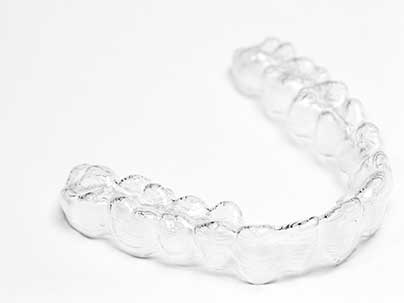
Don’t worry, we’ve got a solution for you too, by way of aligners. These are worn like a mouthguard and fit over the outside of your teeth. Because they’re made from transparent plastic, it’s hard for anyone to see that you’re wearing them, except if they get up really close to you a kind of ‘invisible teeth straightening’, if you like. The most popular brand of clear aligners currently on the market is Invisalign, and although they’re not currently recommended for more complex dental issues, they can effectively fix overbites, underbites, and misalignments.

How Invisalign works

In order to receive Invisalign treatment, you’ll first need to go to your nearest Invisalign provider cue Supreme Dental Infinite. We’re experienced in all Invisalign products and have undergone Invisalign training, so you can trust that with us you’re in good hands.

Invisalign works by utilising not just one set of aligners, but a whole bunch of them, depending on the severity of your case. Each set of aligners is worn for a couple of weeks before being exchanged for the next set of aligners in the series. As you work your way through your teeth aligners at home, your teeth are gradually being propelled towards their destination and by the time you’ve reached your last set of aligners, treatment is almost complete and it’s time to reveal your gorgeous straight smile. You will need to wear a retainer, but we can discuss your options at a later date.

So there you have it 3 alternatives to teeth straightening that don’t involve wearing braces. If you’re weighing up your teeth straightening options then come and talk to the friendly dental team at Supreme Dental Infinite by scheduling an appointment on 03 9395 8400 . When it comes to adult teeth straightening options, we’ve got you covered.

invisalign braces

Thanks to advances in modern dentistry you are spoilt for choice when it comes to the types of dental implants on offer. Of course each implant option comes with its own set of advantages and disadvantages, and assessing these with the help of your dentist can help you make the most informed decision for your long term dental health.

(more…)

Is the thought of undergoing dental implant surgery freaking you out? Don’t worry, it’s a common fear that most patients express. Questions like ‘will I feel pain during surgery and what about afterwards?’ are totally understandable. As your local caring dentist we totally get where you’re coming from. After all, having a metal post inserted down into your jaw is probably enough to make anyone shudder, but like most things, the thought of doing something is usually a lot worse than actually having it done.

(more…)

If you’ve recently lost one or more of your teeth then your dentist might suggest dental implants to restore your smile. Deciding whether or not to go ahead with dental implants isn’t a decision to be taken lightly, since the initial outlay can be relatively high; but more importantly, questions like ‘are dental implants safe?’ and ‘How can they help me?’ probably spring to mind. So without further ado, let’s dive in and find out.
(more…)

When a person suffers a missing tooth, it’s good to know that they have several options open to them. Of course the gold standard of treatment is a dental implant, but could a dental bridge do an equally effective job? The simple answer is yes and of course, it’s considerably cheaper, but is it really the best option? Should you choose a dental bridge or implant to replace a missing tooth?

(more…)

Got misaligned teeth? Then wearing braces can fix your dental problem but how much do braces cost? Let’s take a closer look at the various straightening options available to you and more importantly, the costs involved.

(more…)